Top Link Building Strategies for Off-Page SEO Success
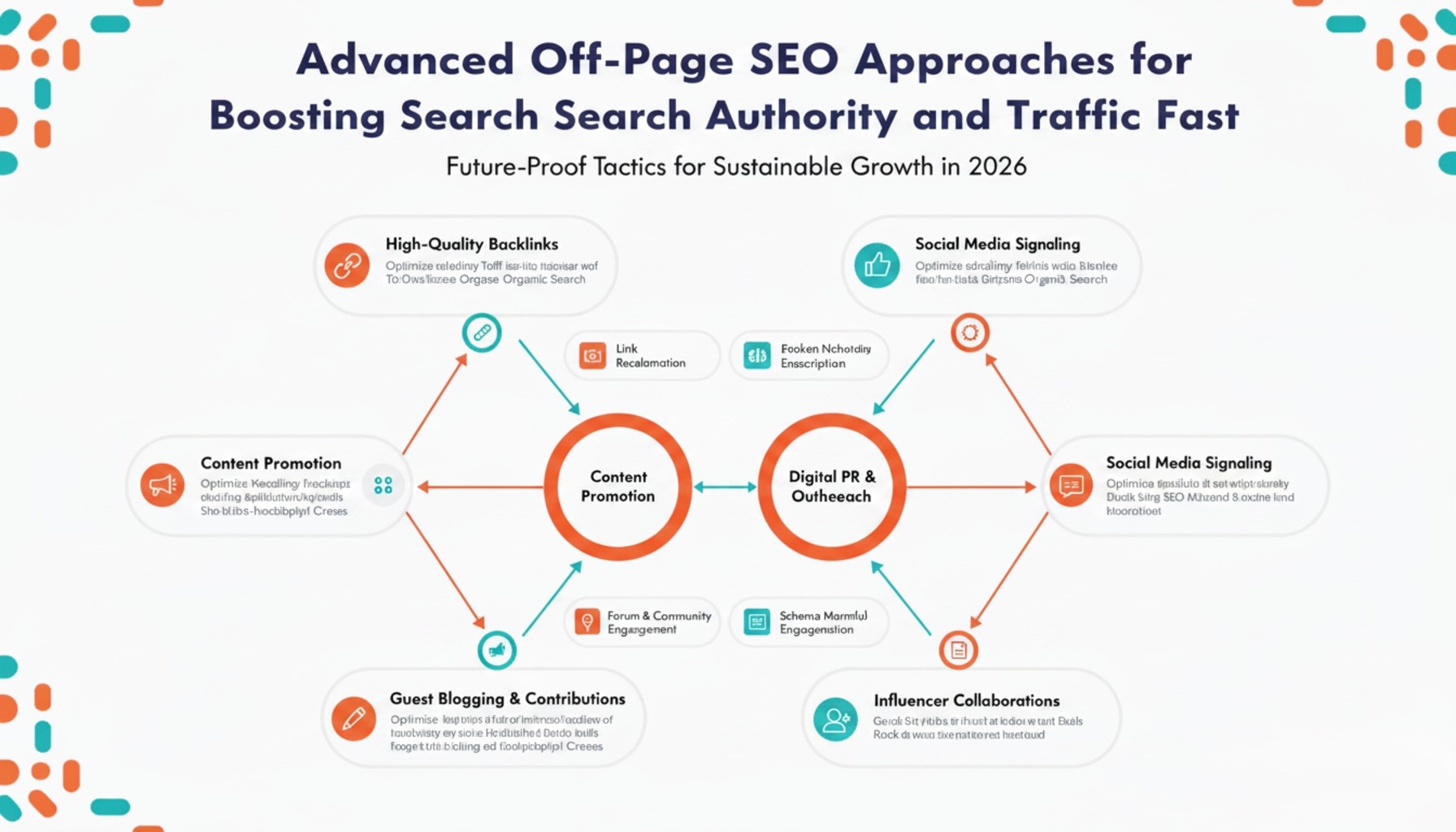
The world is growing rapidly across all fields, including SEO. In the current world of search engine optimization (SEO), off-page SEO is one of the most significant factors that determine your site's performance on search engine result pages (SERPs). Link building is one of the most powerful and effective off-page techniques. High-quality backlinks signal to search engines that your site is authoritative, trustworthy, and useful to its users.
But link building is no longer a quantity game; it's a game of quality, materiality, and genuineness. This blog will focus on the best link-building techniques that can make you successful in off-page SEO while also being sustainable in the long run.
What is Link Building?
The process of acquiring hyperlinks from other websites to your own is known as link building. All these links are a voice of trust that your content is reliable and worthy of ranking by search engines such as Google.
There are two varieties of links:
Internal links: Links within your site
External links (backlinks): This is an inbound link of sites to your site
Backlinks are more crucial in off-page SEO, especially when they are authoritative and appropriate.
Why Link Building Matters for SEO
Backlinks are one of the key ranking factors of search engines. This is the Motive why link building is a must:
- Improves domain authority
- Increases search engine rankings.
- Drives referral traffic
- Enhances brand visibility
- Develops credibility and trust
But not every link is the same; quality matters here. It can be more valuable to have a single high-quality backlink from a reputable site than to have dozens of low-quality links.
1. Create High-Quality, Link-Worthy Content
Content is key to successful link building. When your content is valuable, instructive, and interesting, people will be glad to link to it.
Categories of content that get backlinks:
- Detailed lessons and instructions
- Research-based articles
- Infographics
- Case studies
- Data-driven content
Concentrate on practical issues and offer original ideas. The better your content is, the more likely you are to get backlinks organically.
2. Guest Blogging
Blog posting is a crucial aspect of effective SEO. One of the most useful link-building strategies is guest blogging. It involves posting articles on various websites in your niche and including a link to your site.
Advantages of guest blogging:
- Establishes authority within your sector
- Acquires a new audience
- Makes high-quality backlinks
Most useful approaches:
- Select reputed sites with satisfactory domain authority
- Create authentic and useful contents
- Do not employ over-optimized anchor text
A recurring guest blog can be tremendously helpful in enriching your backlink profile over time.
3. Broken Link Building
A hyperlink leading to a non-existent webpage, typically resulting in a 404 error, is called a broken link, also known as a dead link. Broken link building is an ethical and effective way to get backlinks. It includes recognizing broken links on other websites and offering your content as a substitute.
Necessary Steps:
- Find websites within your niche
- Identify broken links using tools like Ahrefs or SEMrush
- Construct or discover content applicable to the broken link
- Reach the owner, admin, or person responsible for managing the website with your idea
This would be a useful approach, since you are helping website owners fix problems and earn a backlink in the process.
4. Skyscraper Technique
The Skyscraper Technique aspires to improve and purify famous content.
How it works:
- Find content that is successful in your niche
- Construct a more advanced, improved, and updated version
- Communicating sites that link to the original content
With suitable content, you will have a higher opportunity of obtaining a backlink to those sites that have already shown an interest in the subjects you are writing about.
5. Establish Relationships and Outreach
It is not only about the content but also about associations when it comes to link building.
Effective outreach approaches:
- Communicate with bloggers and influencers
- Join communities in industries
- Collaboration with content creators
Individualized outreach emails are more useful than generic ones. Concentrate on establishing precise connections as opposed to requiring links.
6. Use Resource Pages
There are numerous websites with resource pages having valuable tools, articles, and guides. Adding your content to pages like these can be a great way to get backlinks.
How to discover them:
- Search with terms such as your niche + resources
- Find the pages that are pertinent to your content
Contact the site owner or responsible person and explain why your content will be a major addition.
7. Take Advantage of Social Media Publicity
You are familiar with many social media platforms, such as LinkedIn, X, Facebook, and others. For SEO, social media links are generally nofollow; but they are a key element in link building.
Key Benefits:
- Enhances content visibility
- Drives traffic
- Encourages sharing and connecting
Once your material is shared with a larger audience, the likelihood of obtaining backlinks increases.

8. Directory Submissions (High-Quality Only)
Even now, it can be useful to submit your site to famous business directories, provided it is done correctly.
Tips for Directory Submissions:
- Avoid spammy directories
- Target directory niche and high authority
- Provide quality consistency of business data
In submissions to the business directories, quality is more important than quantity.
9. Blogger and Influencer Collaboration
Collaboration with influencers and bloggers can help you achieve authoritative backlinks.
Collaboration ideas:
- Interviews
- Product reviews
- Co-created content
Their backlinks are highly beneficial, and the influencers usually have a trustworthy following and powerful domain authority.
10. Create Shareable Infographics
Infographics means visual representations of information, data, or knowledge designed to deliver information fast and clearly. They are highly viral and can attract numerous backlinks.
Why they work:
- Visually adorable
- Easy to understand
- Highly fascinating
Set an embed code for your infographic so others can share it efficiently and link back to your site.
11. HARO (Help a Reporter Out)
HARO joins journalists with sources for reports. You can obtain backlinks from high-authority news sites by showing professional insights.
How to use HARO:
- Sign up as a source
- Answer relevant questions
- Deliver fair and to-the-point replies
This strategy can help you secure backlinks from reputable media outlets.
12. Competitor Backlink Analysis
It is another crucial step to dominate SERPs. Exploring your competitors' backlinks can uncover new opportunities.
Steps:
- Determine top competitors
- Analyze their backlinks using SEO tools
- Identify websites that link to them
- Get in touch with their sites
When a site connects to your competitor, it could be interested in what you have to say.
13. Local SEO Link Building
When you are in a local business, highlight local link-building approaches.
Examples:
- Local business directories
- Community websites
- Sponsorships and events
Local backlinks enhance your existence in location searches.
14. Content Repurposing
Content repurposing, also known as content recycling, is the practice of reusing all or a portion of existing content to grow its reach. Reusing content in new forms can help you reach new audiences and build more backlinks.
Examples:
- Create blog post videos
- Convert data into infographics
- Organize podcasts based on articles
Diverse forms will attract various audiences, and you are more likely to acquire links.
Common Link Building Mistakes to Avoid
At the time of creating links, please do not make the following mistakes:
- Purchasing poor or spammy backlinks
- Extreme use of exact-match anchor text
- Skipping link relevance
- Pay attention to quantity as opposed to quality
- Failing to diversify sources of links
Such practices may result in fines and negatively impact your SEO.
Conclusive Thoughts
Off-page SEO is a set of procedures (e.g., link building) used outside a website to enhance rankings on SERPs. The success of off-page SEO continues to rely on link building. But modern link building is not about controlling search engines; it is about acquiring significance, relevance, and trust to earn links.
By emphasizing quality content, targeted outreach, and ethical practices, you can create a rich backlink profile that helps sustainable growth.
It is important to keep in mind that link building is not a one-time activity; it is a continuous process that requires consistency, creativity, and patience. These steps can be put in place today, and in the long run, you will notice notable advancements in your website's authority, traffic, and search engine rankings.